
You live in Fort Collins and depend on a working sewer line to keep your home clean and safe. Spotting early warning signs can save you money and prevent big headaches, so knowing what to watch for helps you act before problems get worse.
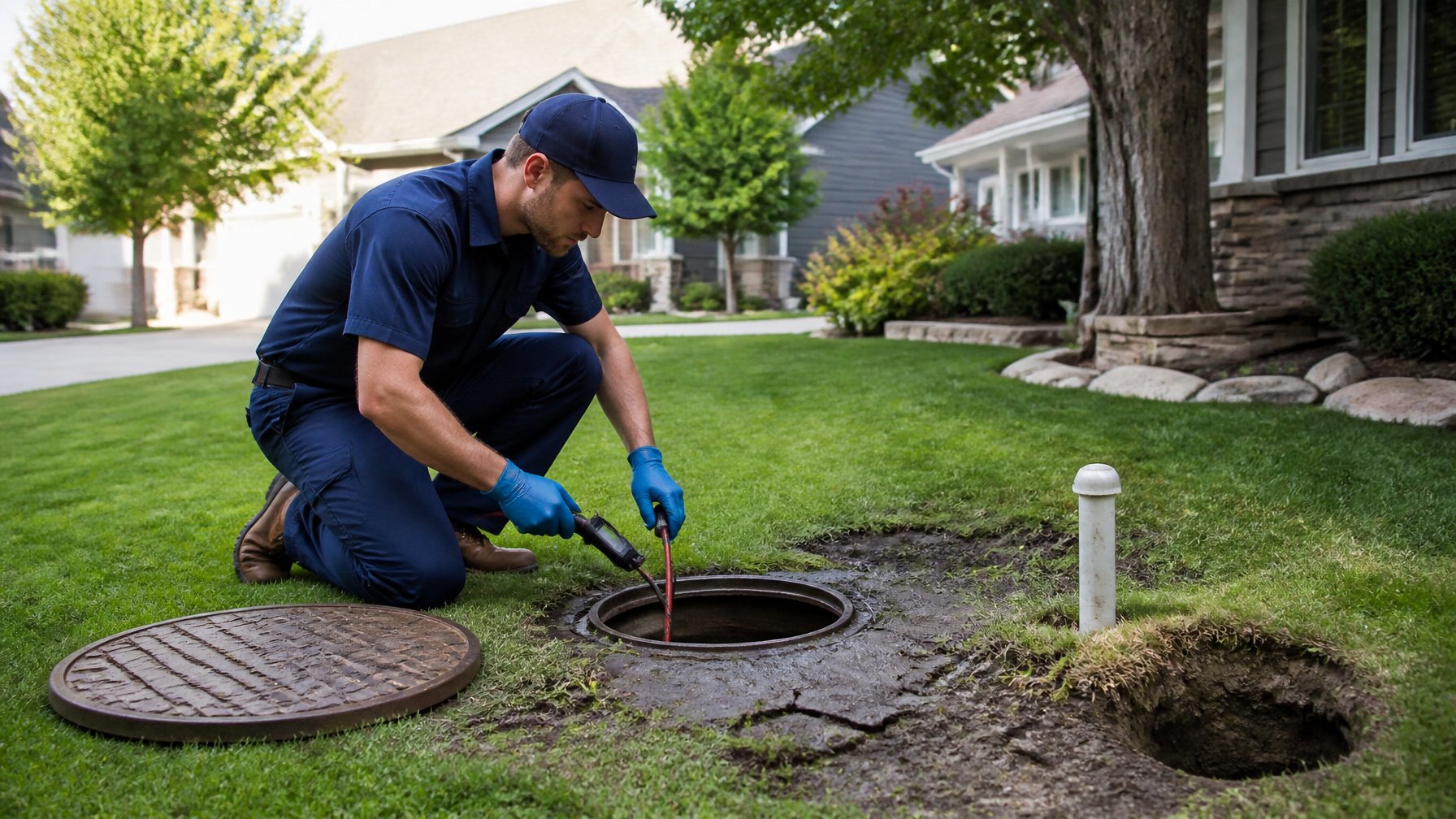
This article walks through common sewer problems and what they mean for repair choices, inspection needs, and costs. It helps you compare options like spot repair, full replacement, or trenchless methods, and points to what to ask a contractor and what tradeoffs to expect.
1) Foul sewage smell persistent in yard or basement
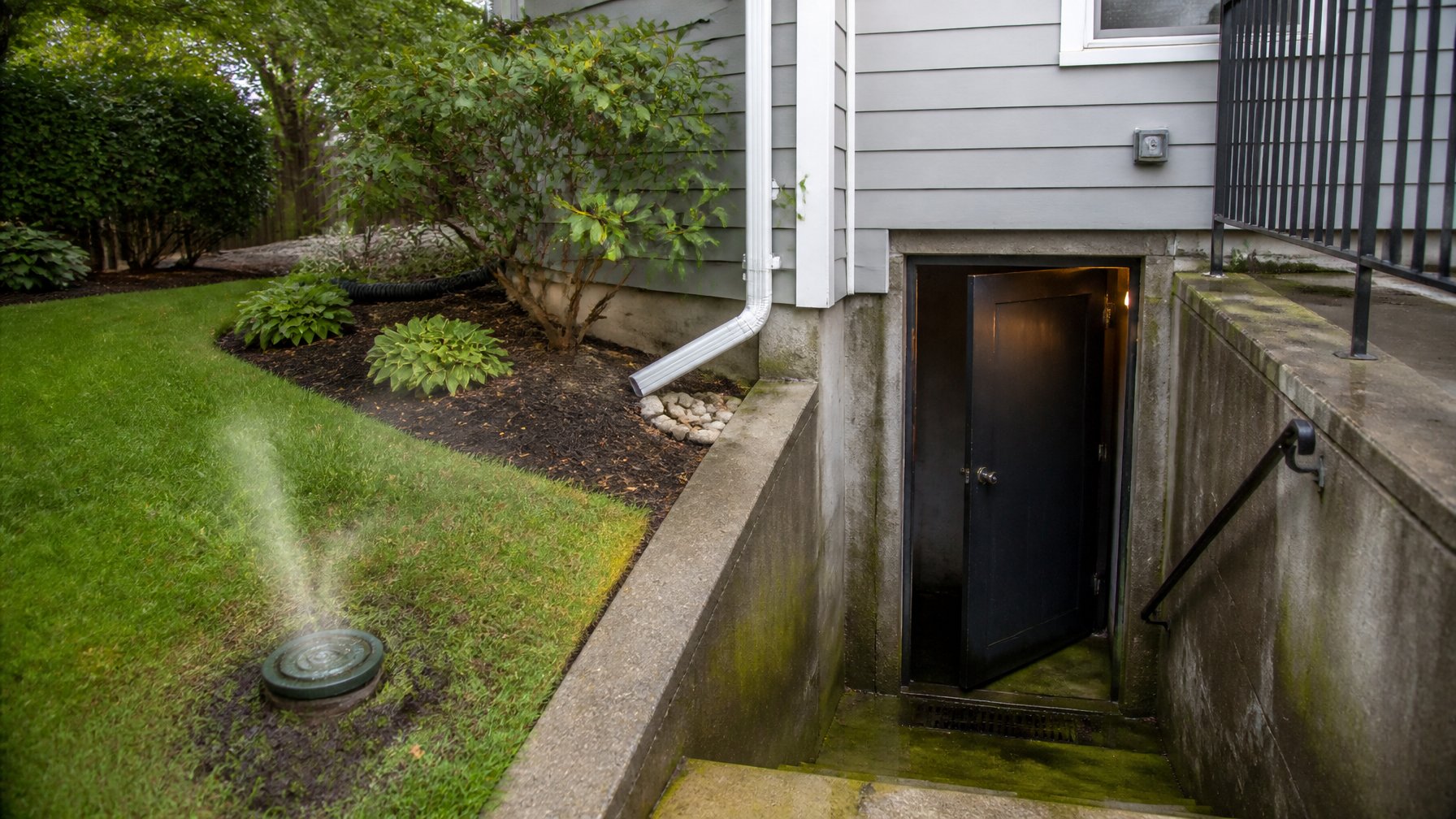
A constant sewage smell in the yard or basement often means a sewer leak or broken line nearby. Homeowners should compare the smell location and strength at different times of day to see if it worsens after rain or heavy water use.
They should ask a plumber about sewer camera inspection and the cost tradeoff between spot repairs and full pipe replacement. Consider whether short-term fixes hide a bigger problem; replacing a long damaged line can cost more now but save repeated repairs later.
Check whether grates, vents, or cleanouts near the house are cracked or loose. For more information on inspection and repair options, see sewer repair services.
2) Slow drains across multiple fixtures
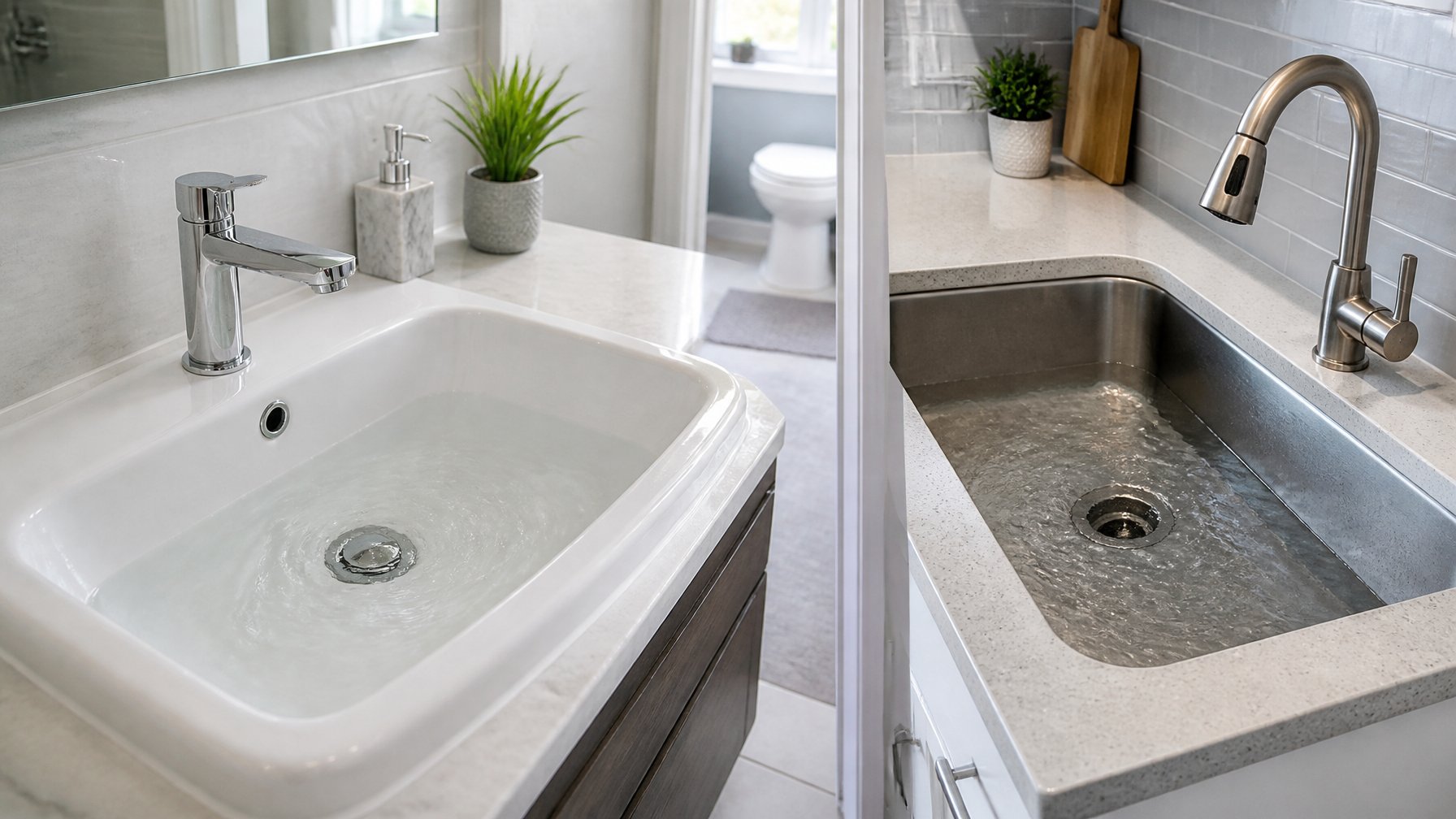
If sinks, tubs, and floor drains all drain slowly, it often means a main sewer line problem rather than a single clogged trap. Homeowners should compare where the slow drainage started and whether it affects upstairs and downstairs fixtures.
They should ask whether recent toilet backups, gurgling noises, or yard sogginess appeared at the same time. These clues help a plumber decide between a simple snake, hydro-jetting, or a camera inspection.
Weigh the tradeoff between quick DIY fixes and a professional camera check. DIY drain cleaning may clear surface debris but can miss tree roots or collapsed pipe sections. For more details on services, see Sewer Line Repair.
3) Gurgling noises from toilets or drains

Gurgling in a toilet or sink often means air is trapped in the plumbing. Homeowners should compare which fixtures make the noise and when it happens—after using another drain, during heavy rain, or randomly.
They should ask if the vent stack is blocked or if the main sewer line has a partial clog. A blocked vent can cause slow drainage and smells; a sewer clog can cause multiple fixtures to gurgle.
Weigh the tradeoff between DIY fixes and calling a pro. Try a plunger or drain snake first, but if several drains gurgle or the problem recurs, schedule a camera inspection. See main sewer line services for more details.
4) Soggy, unusually green patches in lawn
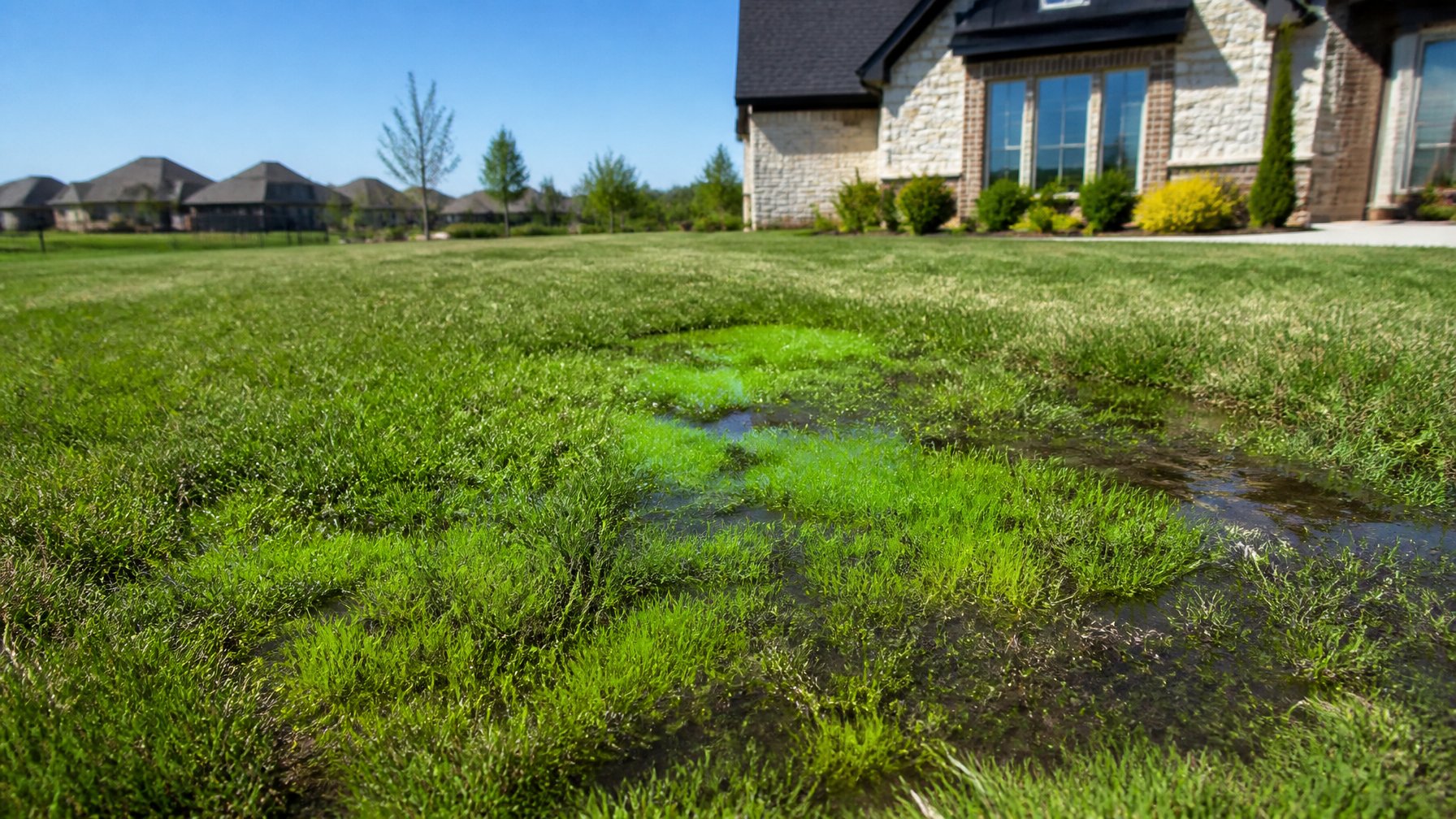
A soggy, very green patch in the yard can mean a sewer leak under the soil. Homeowners should compare that spot to the rest of the lawn and check if it stays wet after dry weather. If it does, they should ask whether a sewer line or a broken cleanout could be dumping water there.
They should measure the area and note any sewage smell or mushy ground. Call a plumber to run a camera inspection and get a cost estimate versus digging to repair. For service options and scheduling, see sewer repair services.
5) Sinkholes or depressions near sewer run
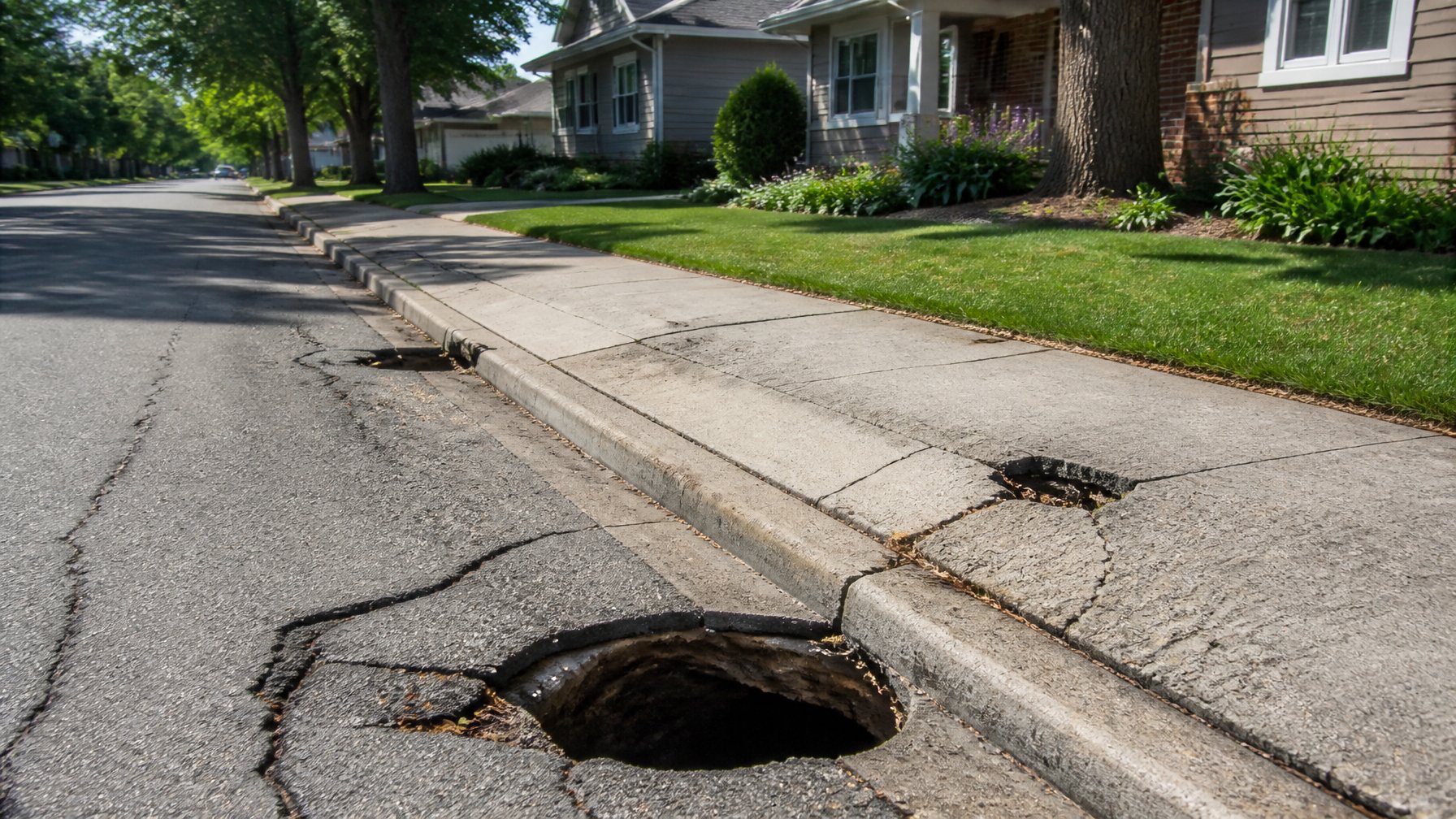
A sinkhole or sudden dip in the yard near a sewer run can mean the pipe has failed or soil has washed away. Homeowners should compare the size and change over days; a growing hole needs urgent inspection.
They should ask a plumber whether the soil was undermined by a leak or by tree roots, and whether camera inspection or a soil probe is best. The tradeoff is cost now for repair versus higher risk of collapse later.
They should check nearby hard surfaces—driveways or sidewalks—for cracking that aligns with the depression. For help scheduling a camera inspection or repair estimates, see sewer repair services.
6) Multiple backed-up toilets during rainfall

If several toilets back up only when it rains, it often means stormwater is entering the sewer or the main line is clogged. Homeowners should compare whether backups happen during light or heavy rain and note how long the backup lasts.
Ask a plumber if the house has a combined sewer, a separate storm line, or a damaged lateral pipe. They should check cleanouts and run a camera inspection; homeowners should weigh the cost of a camera run against the risk of repeated damage.
Also ask whether a sewer line replacement, sectional repair, or a local fix like lining is best for the situation. Visit the sewer service page to learn typical inspection and repair steps before scheduling work.
7) Sewage odors inside finished basement rooms

If a finished basement smells like sewage, the homeowner should first compare where the odor is strongest. Check near floor drains, toilets, and the sump pump. Smell can help pinpoint a dry trap, cracked vent, or a slow sewer leak.
They should ask a plumber whether traps are dry or vents are blocked and whether sewer gases might be entering through a cracked pipe. The tradeoff is cost: a quick trap refill or vent clear is cheap, but pipe repair or replacement costs more.
They should consider a camera inspection to confirm pipe damage versus vent problems. For more on camera inspections and sewer repairs, see sewer repair services. Images to document the area help when discussing fixes with a plumber.
8) Wastewater surfacing in driveway or near sewer cleanout
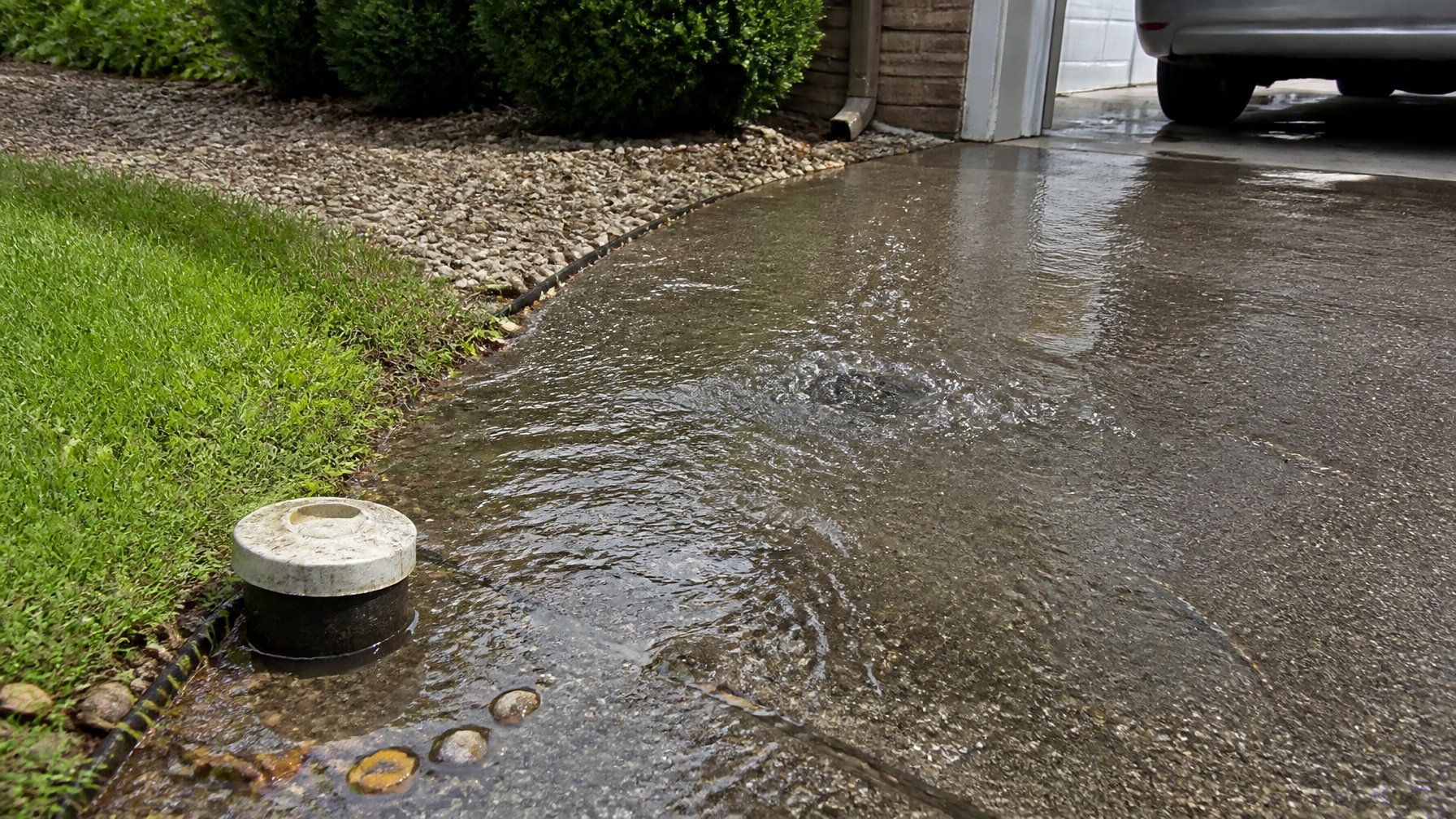
If water, gray water, or sewage appears on a driveway or around the sewer cleanout, it signals a serious blockage or pipe break. Homeowners should compare the smell, color, and flow: clear water may be storm runoff, while cloudy or foul-smelling water points to sewage.
Ask a plumber whether the issue is at the cleanout, the lateral line to the street, or the main sewer. They should use a camera inspection to pinpoint the problem and explain repair options and costs.
Weigh repair tradeoffs: spot repairs at the cleanout are cheaper but may not fix a deeper break. Full-line relining lasts longer and costs more upfront; ask about warranties and disruption.
For more info on services and next steps, visit DrainProsewerRepair.com. Images should show a concrete driveway with pooled water near a metal cleanout cap and a plumber preparing a camera.
9) Root intrusion visible at exposed pipe or cleanout
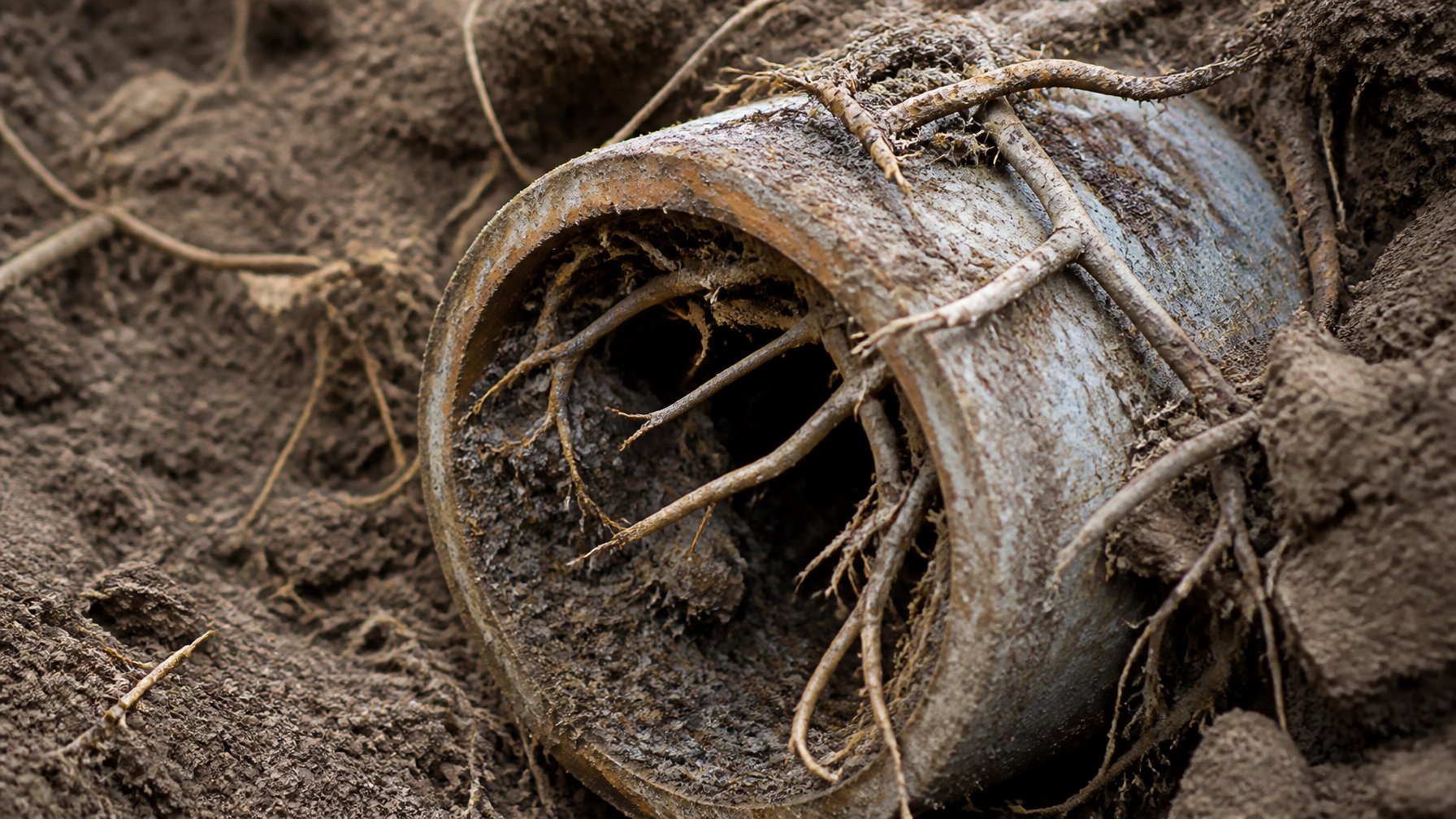
When roots show up at an exposed pipe or cleanout, the homeowner should compare how thick and extensive the roots are. Ask if the roots are just surfacey or if they penetrate the pipe wall. That helps decide whether pruning, pipe lining, or replacement is best.
They should check the age and material of the sewer pipe next. Clay or older cast-iron pipes break more easily than modern PVC, so the tradeoff is repair cost now versus repeated treatments later.
Ask a plumber whether a camera inspection or hydro-jetting would clear roots and reveal hidden damage. For long-term fixes, ask about trenchless pipe lining versus full replacement and weigh immediate cost against future maintenance needs.
See the sewer services page for more on camera inspections and trenchless repairs.
10) Sewer cleanout cap missing or displaced
A missing or displaced sewer cleanout cap lets debris, pests, and water into the line. Homeowners should look at the cleanout near the foundation or yard and compare the opening to the capped state shown on most plumbing guides.
Ask a plumber whether a threaded or push-fit cap fits the pipe material and depth. Trade off cost versus durability: plastic caps are cheap but can crack, while brass or heavy-duty plastic lasts longer.
Check for sewage smell, soggy soil, or drain slowdowns nearby. If any of those appear, have a pro inspect the line and replace the cap promptly to prevent clogs and contamination.
For more on preventing sewer problems, visit the homepage.